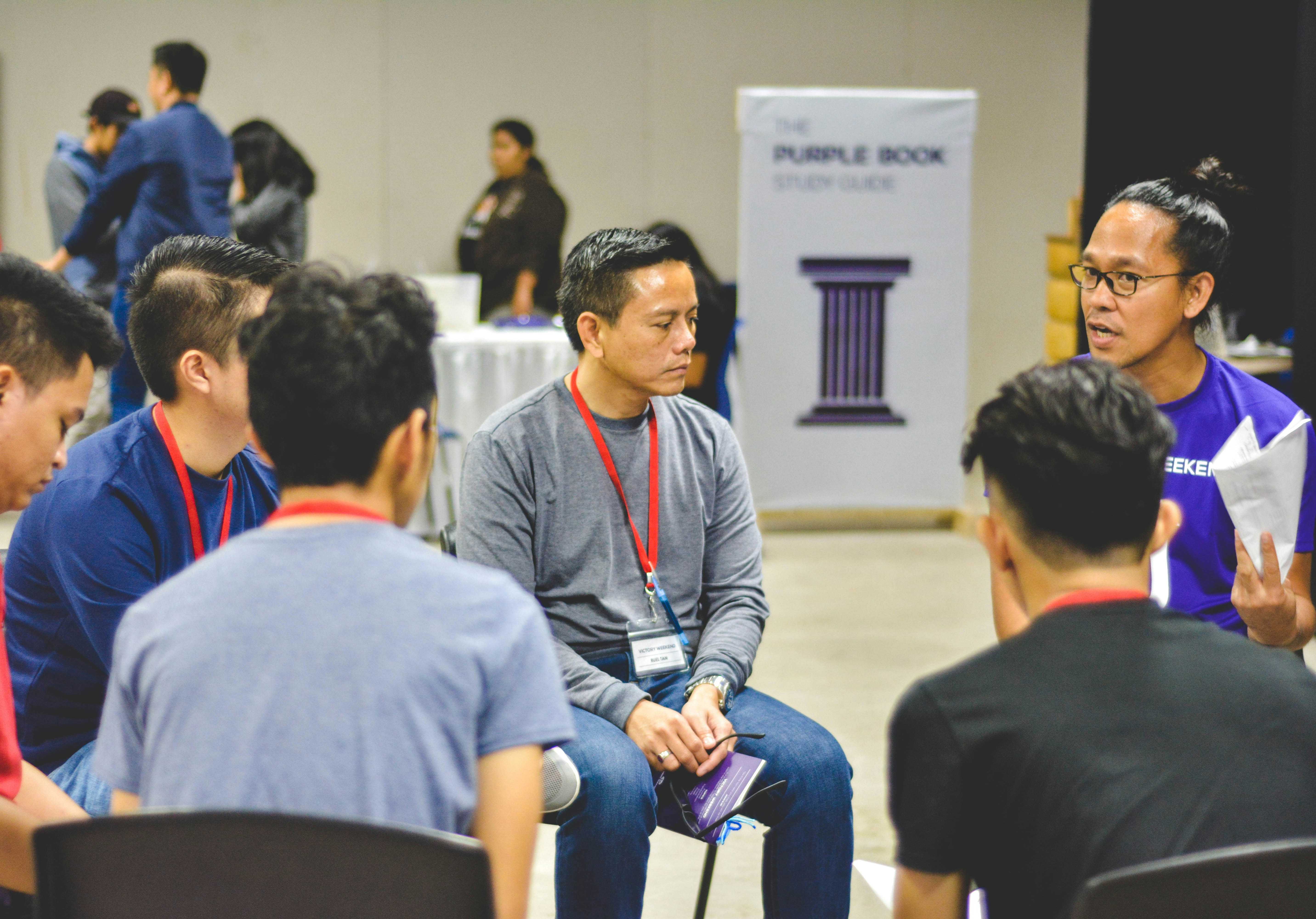


Corporate volunteering is now a standard component of most CSR programs.
Yet in many organisations, it remains treated as a standalone activity rather than part of a broader engagement model.
This limits its potential — not in the activity itself, but in what follows.
Volunteering is a cornerstone of modern CSR
Corporate volunteering has become one of the most visible and widely adopted expressions of corporate social responsibility.
It allows employees to contribute directly to societal challenges while strengthening the company’s connection to the communities in which it operates.
For CSR leaders, volunteering delivers multiple benefits:
- stronger employee engagement and purpose
- team cohesion and collaboration
- visible community contribution
- measurable ESG impact
Programs such as Volunteer Weeks and team volunteering events have therefore become a central part of many CSR strategies.
Yet in many organisations, volunteering is still treated primarily as a series of individual activities or events.
But its real value is not limited to the activity itself.
Volunteering creates relationships
When employees volunteer with a nonprofit, something important happens.
Employees meet the people behind the mission.
They understand the challenges the organisation is addressing.
They develop a personal connection with the cause.
At the same time, the nonprofit becomes visible within the company.
This interaction creates something that is often overlooked:
the beginning of a relationship between the company and the nonprofit.
Trust begins to form.
Understanding grows.
Both sides gain insight into each other’s work.
Volunteering is not just an activity — it is where these relationships begin.
The missed opportunity
Despite the strong connections created through volunteering, many CSR programs treat volunteering as the end point of engagement.
Employees volunteer.
The event concludes.
The interaction ends.
What is often overlooked is that the relationship created during volunteering does not end with the event.
Employees who connect with a nonprofit are often motivated to stay involved.
Companies that build familiarity with an organisation can build on that connection.
Nonprofits seek partners who understand their mission beyond a single interaction.
When engagement stops at the event level, this opportunity remains underutilised.
The question therefore becomes:
How can companies build on the relationships that volunteering creates?
The Volunteering Journey
In practice, relationships between companies and nonprofits develop through continued interaction over time.
What begins as a volunteering activity can extend into broader forms of engagement.
We refer to this as the Volunteering Journey.
Corporate Volunteering
→ Skills Volunteering
→ Fundraising
→ Corporate Partnership
These are not fixed stages, and they do not follow a required sequence.
They represent different ways in which companies and employees can contribute once a relationship with a nonprofit has been established.
Volunteering opens the door. From there, engagement can expand in different directions.
Corporate Volunteering
Corporate volunteering is often the first point of interaction.
Employees contribute their time and energy to nonprofit initiatives — from environmental projects to social support programs and community events.
At this stage, impact is immediate and tangible.
Employees gain firsthand insight into societal challenges, while nonprofits meet the people behind the company.
This interaction establishes familiarity and trust — the foundation for continued engagement.
For many organisations, volunteering remains a central and ongoing form of contribution.
Skills Volunteering
As employees become more familiar with a nonprofit’s work, some look for ways to contribute more directly with their expertise.
Beyond volunteering time, employees can offer professional skills.
This may include:
- legal advice
- financial expertise
- strategic planning
- digital or technology support
- marketing and communications
For nonprofits, access to professional expertise can be highly valuable.
For companies, skills volunteering creates opportunities for employee development and deeper engagement.
Skills-based contribution is one way in which engagement can expand beyond events.
Fundraising
Employee engagement can also extend into financial support.
Employees may organise campaigns linked to activities such as running, cycling, or hiking, mobilising colleagues and networks around a shared cause.
These campaigns broaden participation across the organisation and connect more people to the nonprofit’s mission.
Fundraising is one of several ways in which engagement can deepen, complementing volunteering and skills-based contribution.
Corporate Partnership
As interaction continues over time, a more established relationship between the company and the nonprofit can emerge.
This relationship is ongoing and multi-dimensional, rather than centred on isolated activities.
It may include:
- continued employee volunteering
- skills-based support and knowledge sharing
- employee-driven fundraising campaigns
- collaboration on community initiatives
Partnerships are built through repeated engagement.
They are not the result of a single activity, but of continuity, familiarity, and shared understanding.
Why this matters
When companies move beyond isolated volunteering events and continue engagement over time, the impact changes in nature.
For companies, this can lead to:
- stronger employee purpose and motivation
- leadership development opportunities
- richer and more credible ESG narratives
- stronger community relationships
For nonprofits, it can provide:
- ongoing relationships with companies
- access to professional expertise
- mobilisation of employee networks
- more stable and diversified forms of support
The result is not simply more activity, but more continuity in how organisations work together.
Copalana’s role
Copalana structures how companies and nonprofits engage across volunteering, skills volunteering, and fundraising.
The platform enables companies to discover nonprofit initiatives and begin engagement through volunteering — creating the first point of interaction between employees and nonprofit organisations.
From there, Copalana provides access to additional forms of contribution, including skills volunteering projects and employee-driven fundraising campaigns.
In parallel, Copalana works closely with companies to support the development of their CSR programs, helping them expand engagement beyond isolated activities.
At the same time, Copalana provides nonprofits with visibility and access to companies and their employees, enabling these relationships to develop over time.
The opportunity for CSR leaders
Many CSR leaders have already established strong volunteering programs.
The next opportunity is to build on the relationships those programs create.
The question is no longer simply:
How can our employees volunteer?
But rather:
How can we continue engaging with the organisations we support — and where can that engagement expand?
The key takeaway
Volunteering remains one of the most powerful ways for companies to connect with their communities.
But its full value lies in the relationships it creates.
When companies treat volunteering as the starting point of ongoing engagement, rather than a standalone activity, new forms of contribution become possible.
Through continued interaction, companies and nonprofits can build relationships that support long-term, meaningful social impact.